Return to Main Menu 
Fencing
Timber
Sheds
Decking
Composite
Gates
Garden Accessories
Arbours & Seats
Return to Category Menu
Border & Deck Fence Panels
Concrete Posts & Gravel Boards
Contemporary Range
Decorative Screening
DuraPost®
DuraPost® Urban Composite Panels
DuraPost® Vento Composite Panels
European Panels
European Lattice
Paints, Stains & Preservatives
Paling/Traditional Panels
Postcrete, Accessories & Fixings
Fencing Accessories
Screws, Nails and Fixings
Traditional Trellis
DuraPost® Sleek Aluminium Panels
Post Support Spikes & Bolt Downs
DuraPost® Vista
European Gates
View all
Return to Category Menu
Return to Category Menu
Return to Category Menu
Return to Category Menu
Return to Category Menu
Return to Category Menu
Return to Category Menu
Choosing the right timber makes all the difference to how long your project will last. Here in Sheffield, the weather can change within the hour, which is why choosing the right timber matters.
Whether you're building a fence, laying a new deck, putting up a pergola or starting another garden DIY project, the timber needs to be right for the project you are doing.
At Hillsborough Fencing, we get asked the same questions every week: should I buy treated or untreated timber? What strength grade timber do I need? Sawn or planed?
Our blog runs through everything to answer your questions and help you buy the right timber for your next project in Sheffield.
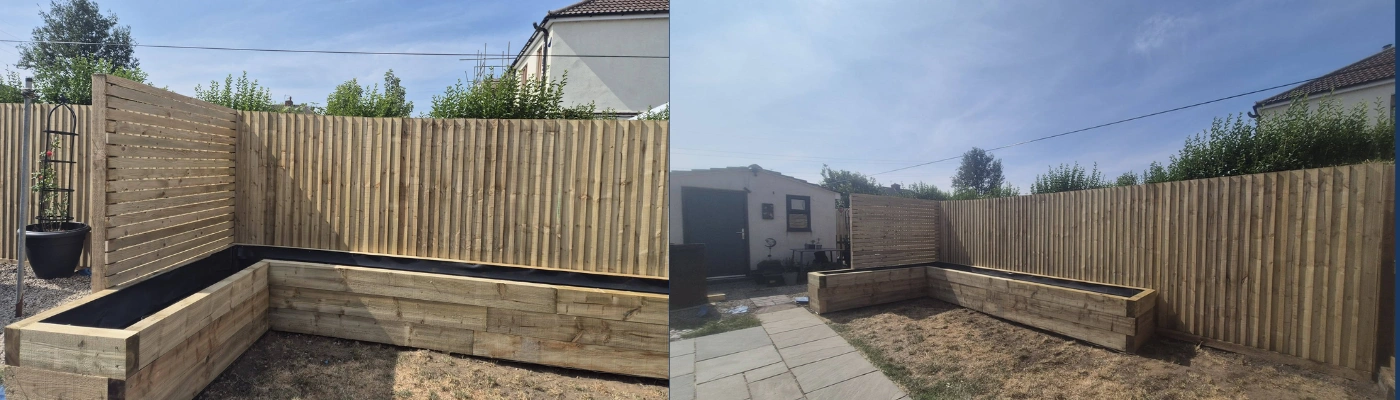
What You Need To Decide Before You Start Your Timber Project
Purpose & Load
First, decide what the project needs to do. If it involves load-bearing posts and joists, then they must meet specific stress-rated strength grades before they are installed.
Compared with an outdoor project that is a heavy load-bearing job like a deck framing or a garden fence, these projects need a higher grade and thicker timber.
An indoor bookshelf, which is holding much lighter items, won’t be exposed to the same conditions.
Indoors vs Outdoors
The second factor is whether your project will be inside or outside. Timber projects installed outdoors, or on the ground like fence posts and flower beds, are exposed to wind, rain, sun and snow, so need to be made from a higher grade timber.
Timber projects that are indoors are protected from these external conditions and therefore don’t need to be a high-grade timber. This keeps it simpler to work with and more affordable.
Budget & Cost
Finally, decide on your budget for the whole project. Quality is the one thing not worth cheaping out on because buying poor-quality or the wrong grade of timber will result in higher maintenance costs in the future.
Best Timber Types For Outdoor Projects In Sheffield
Pressure-treated timber is the best type of timber for outdoor use, as the pressure treatment it receives gives you reliable, long-term protection against moisture damage.
Outdoor projects like pergolas and decking need timber that can withstand Sheffield's ever-changing weather conditions, which we all know normally involve rain. Without this treatment, your wood will begin to rot and can become unstable over time.
Softwood Timber
Softwood timber such as pine is one of the most popular timber types for outdoor projects because it's easy to cut to size and also holds treatments well.
This is why pressure-treated softwood is the most used material for fencing panels and decking.
Hardwood Timber
Hardwood timber like oak offers a high natural density without the need for chemical treatments.
Its tight grain structure is better for load-bearing projects, which makes it a good choice for decking and garden gates.
Treated Timber vs Untreated Timber
Treated timber resists wet weather and moisture better than untreated timber, as the treatment repels moisture and stops the wood from rotting.
Untreated timber absorbs water, swells, and begins to decay once it's left outdoors.
Moisture
Without pressure treatment, the untreated timber has no protection from the elements, allowing moisture to soak in and rot it from the inside out.
This is why untreated timber won't last long outdoors, especially if it's load-bearing.
Insects
Woodworms and other wood-boring insects in the UK will damage untreated timber over time if it's left exposed outdoors.
This is why untreated timber can become structurally unstable within just a few years if left unattended.
Use
Treated timber is the best type for projects involving fence posts and decking joists because it is well protected against moisture and insects.
Use untreated timber for interior framing and shelving, or thoroughly seal it if it's used outside. Otherwise, you risk the wood becoming rotten.
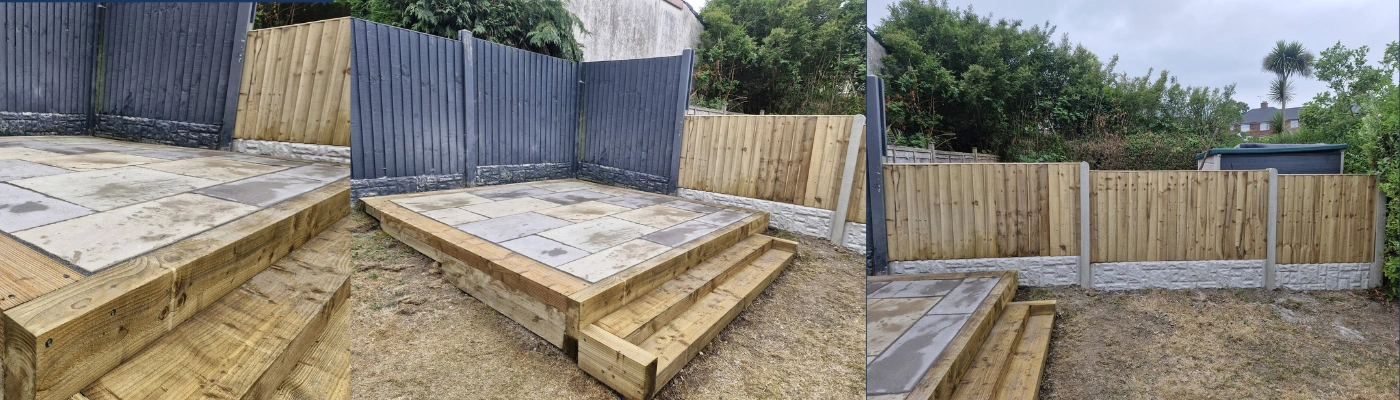
Choosing The Right Timber Size & Grade
Picking the right timber size starts with knowing exactly what the timber is going to be used for. Getting this wrong will result in the whole project being unsafe to use in the years to come.
Heavy decking frames need structural timber to avoid sagging. A decorative lattice panel only needs thin boards for simple support since there's no load-bearing involved.
For load-bearing projects like floor joists, roof frames, and decking frames, you need structural timber stress-graded to C16 or C24.
These timber grades are tested and marked to guarantee a minimum strength, so you know the project can actually take the load it is holding.
It's important to measure accurately before you buy timber from your local supplier, as this will help you save money by buying only the timber you need in the first place.
Timber Finishes: Sawn vs Planed
Sawn Timber
Sawn timber has a rougher surface that comes straight from the mill and doesn’t undergo any planing before being sold.
It's the economical choice for hidden structural framework and traditional fencing where the appearance of the project matters less than the overall strength.
Planed Smooth Timber
Planed timber is created by running sawn boards through high-speed planers to create a smooth, splinter-free surface that is ideal for handrails, decking balustrades, and anywhere hands and bare feet would come into contact with the wood.
However, this style of timber is more expensive than sawn timber as it has to undergo more steps before it can be sold to the public. This timber is also less protected from the elements, so it will likely need to be treated or painted before it can be used outdoors.
How To Maximise The Longevity Of Your Timber
Some simple habits will go a long way to protect your timber structure from moisture or insect damage.
- Use pressure-treated boards for timber posts and joists to stop moisture from rotting away at the wood.
- Always treat your decking boards to protect the whole structure and extend the lifespan.
- Apply an exterior stain or oil every few years to your outdoor projects to add an extra barrier against moisture and sun damage.
- Make sure to clear dirt and leaves from the base of fence panels and decking so standing water can't soak into the grain.
- Keep an eye on all metal fixings as rust here can weaken major structural joints and loose metal can also make your project unsafe to use.
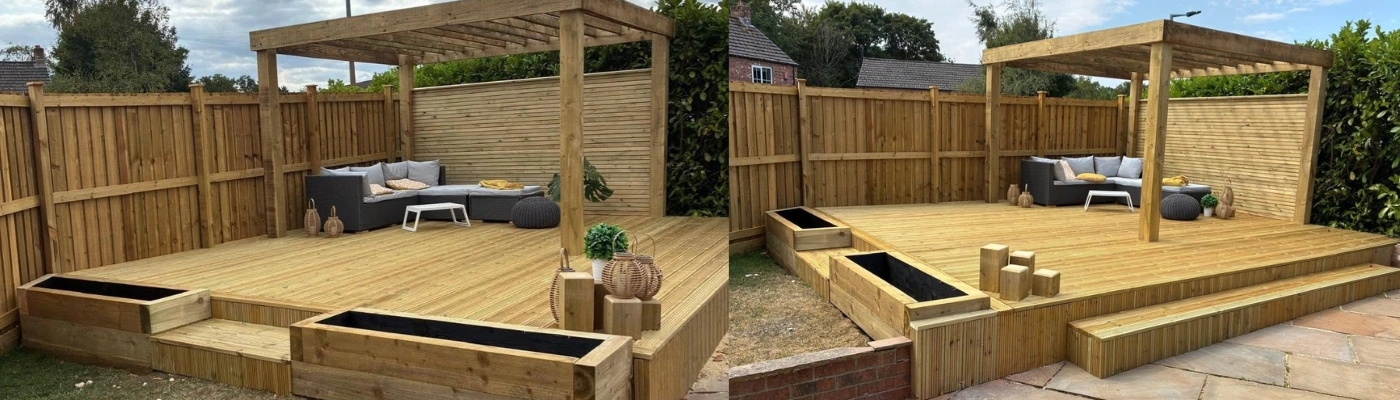
Recent Timber Projects We've Supplied Across Sheffield
At Hillsborough Fencing, we've supplied timber for fencing, decking and garden projects across Sheffield, Rotherham and Barnsley for over 25 years.
Here's what a few recent customers had to say about our timber and why we are one of the best fencing and timber suppliers in Sheffield.
Ellen Logan
“Really lovely and knowledgeable guys here. Took the time to run through everything with us and find the best, most cost-effective way of getting wood for a pergola in Sheffield. Good quality stuff. And special shout-out to Jordan for being so friendly and helpful!”
Charles Barratt
“The staff are friendly and helpful. While I was there, I took advantage of the cutting service. Jordan was the member of staff looking after me; he was very helpful, professional and explained what was happening and the safe area to be in when waiting for my timber for my local Sheffield project. The lads were spot on, 10 out of 10”
Frequently Asked Questions About Timber In Sheffield
What Type Of Timber Is Best For Outdoor Projects?
Pressure-treated softwood and dense hardwood are the best types of timber for outdoor projects, as they both resist moisture and won’t rot once properly treated.
Untreated timber isn't suitable for outdoor projects like fence posts and sleepers because it has no protection against the elements.
What Is The Difference Between Treated & Untreated Timber?
Pressure-treated timber forces preservative deep into the wood grain, which will block out water and moisture from rotting the wood.
Untreated timber doesn’t have this protection, which allows moisture to damage the timber quickly.
How Do I Choose The Right Timber Size For My Project?
The right size of timber depends on the project. Heavy decking frames will need thick, structural timber to avoid sagging, and can come pressure-treated, so they will also be protected against moisture and insect damage.
Decorative lattice panels only need thin timber boards for simple support, as these are unlikely to be load-bearing and are unlikely to become unsafe.
What Is The Best Timber For Garden Fencing?
Weather-resistant, high-grade timber boards are the best for garden fencing. They combine smooth, planed rails with sawn boards to create solid fence panels that hold up through seasonal weather while keeping your garden private.
Solid timber or concrete posts will keep panels straight in high winds, and the right treatment will make sure the wood's natural colour lasts for longer.
Where Can I Find Quality Timber Supplies In Sheffield?
Hillsborough Fencing is a timber and fencing supplier based in Sheffield, used by local contractors and homeowners across the city and in surrounding towns like Rotherham and Barnsley.
We offer a wide range of timber, along with expert guidance, delivery and click and collect. We have over 25 years of experience, and we can help you pick the right timber for your project the first time.

Please wait, processing details.