Return to Main Menu 
Fencing
Timber
Sheds
Decking
Composite
Gates
Garden Accessories
Arbours & Seats
Return to Category Menu
Border & Deck Fence Panels
Concrete Posts & Gravel Boards
Contemporary Range
Decorative Screening
DuraPost®
DuraPost® Urban Composite Panels
DuraPost® Vento Composite Panels
European Panels
European Lattice
Paints, Stains & Preservatives
Paling/Traditional Panels
Postcrete, Accessories & Fixings
Fencing Accessories
Screws, Nails and Fixings
Traditional Trellis
DuraPost® Sleek Aluminium Panels
Post Support Spikes & Bolt Downs
DuraPost® Vista
European Gates
View all
Return to Category Menu
Return to Category Menu
Return to Category Menu
Return to Category Menu
Return to Category Menu
Return to Category Menu
Return to Category Menu
Homeowners are also making sustainable decisions for their gardens as the globe adopts greener living. Fencing is often an overlooked component of eco-conscious gardening. The correct eco-friendly garden fencing choices may not only enhance the appearance and seclusion of your home but also help reduce your environmental impact.
Sustainable fencing materials and their advantages towards our environment, and how you can pick the best option for your garden without sacrificing its design and durability.
Why Select Eco-Friendly Garden Fencing?
The material of the traditional fences, like vinyl or chemically treated wood, could contribute to pollution and require more energy for creation. On the one hand, eco-friendly fencing choices:
- Lower manufacturing carbon emissions
- Choose sustainable, repurposed, or renewable materials
- Often near the end of life, biodegradable or recyclable
- Needs less chemical upkeep
Choosing ecologically friendly fencing helps you to secure and improve your garden while also helping to create a better world.
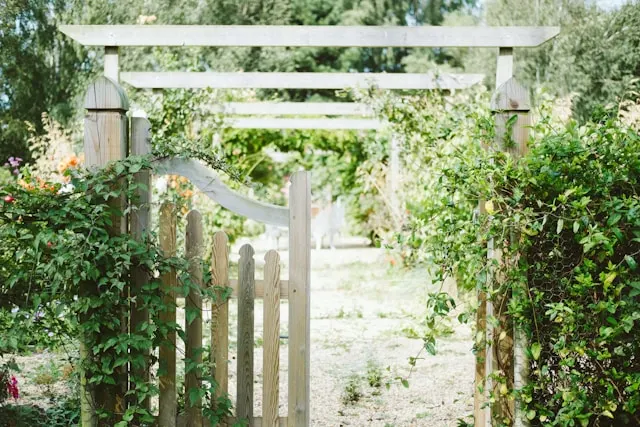
Top Eco-Friendly Garden Fencing Options
Here are the best sustainable fencing materials and styles available today:
1. Bamboo Fencing
Why it's eco-friendly: Bamboo is one of the fastest-growing plants in the world. It regenerates without needing replanting and absorbs large amounts of CO₂.
Benefits:
- Naturally resistant to pests and moisture
- Durable yet lightweight
- Visually appealing for modern and tropical garden designs
2. Recycled Composite Fencing
Composite materials for fences are made from recycled plastics as well as wood fibres and are environmentally friendly as they help to avoid landfills of garbage and the usage of new materials. This eco-friendly alternative to fencing is inexpensive and long-lasting.
Composite fences are weather-resistant, easy to maintain, and do not require painting and staining. By being available in different colours and finishes, they allow you to show off your style while not being harmful to the environment.
3. Reclaimed Wood Fencing
Why it's eco-friendly: Reclaimed wood repurposes timber from old barns, factories, or shipping pallets.
Benefits:
- Adds rustic charm and character
- Prevents deforestation
- Can be custom-designed for unique looks
4. Living Fences (Hedges & Shrubs)
Made from living plants, which naturally enhance the environment, living fences are regarded as eco-friendly. By means of photosynthesis, these fences absorb carbon dioxide and hence lower CO² levels.
They also offer vital homes for different kinds of animals, hence maintaining local ecosystems and fostering diversity. Unlike manufactured fencing choices, live fences need no industrial production; therefore, they are a sustainable solution.
They also provide a natural aesthetic attraction, improve the variety of plant and animal species, and may be strong barriers against noise and wind.
5. Wattle Fencing
This old-fashioned fencing type entails the use of woven branches, mostly willow or hazel, which are typically sustainably coppiced, hence the reason why it is environmentally friendly.
Advantages:
- biodegradable
- Beautiful cottage-like look
- Perfect for low borders and garden partitions
The Environmental Impact of Fence Materials
Benefits Beyond the Environment
Eco-friendly garden fencing can help improve your house, budget, and health.
Long-term cost-effectiveness
Ecological fence materials such as composite, bamboo, and reused wood will cost more but will last longer. In most cases, these materials do not require much maintenance and repair, and they are not easily predisposed to replacement as well.
Composite fences do not rot, are not infested by insects, and are not weathered; hence, the little maintenance costs incurred are eliminated. Long-lasting, eco-friendly fencing is money-saving in the long run.
Increases Property Value
In an open market, sustainable landscaping featuring green fencing can be a point of difference as more owners look out for eco-friendly features.
Green hedges surrounding the house, which are alive and not artificial, and salvaged wood fencing enhance the appearance of the property and demonstrate to the buyers the eco-friendly nature of the property. Both curb appeal and the selling value of your house can be enhanced.
Pet- and family-safe
Conventional fencing installations are made out of plastic or preservative-treated synthetic plastic; this can leak, threatening chemicals into the land. Eco-friendly fencing resorts to natural, unprocessed materials or their substitutes instead of these enhancements. This gives a safer place for pets and kids to run while there is no danger of the fence.
Local and Ethical Sourcing
Reused wood and bamboo fencing are sold by the local or sustainable sellers. These materials help cut down the carbon emissions of long-distance transportation and promote ethical labour. A sustainable fence supports local economies, responsible forestry, and recycling, and is a better investment in the environment and society.
Promotes Biodiversity
Sustainable fencing materials and designs are able to enhance outdoor life. Hedgerows and living fences provide food and shelter to small animals, birds, and insects that are useful. Microhabitats of untreated wood products, which will naturally age, will provide fungi and pollinators with places to thrive. The biodiversity of your garden makes your garden more ecologically valuable and sustainable.
Tips for Maintaining Your Eco-Friendly Fence
Proper care can extend the life of your fence and ensure it remains sustainable:
- Use natural stains or sealants instead of synthetic ones
- Avoid pressure washing, which can degrade materials faster
- Trim surrounding vegetation to prevent moisture buildup
- Regularly inspect for wear and make minor repairs as needed
What Fencing Does for Eco-Friendly Landscaping?
Fencing is a functioning component of your outdoor habitat, not only a boundary. A sustainable fence can:
- Provide a habitat for beneficial insects and birds
- Encourage edible vines or vertical gardens
- Protect the soil and lower wind erosion
Fencing is more important in a sustainable landscaping strategy than many people understand.
Where to Buy Eco-Friendly Garden Fencing
While investing in sustainable fencing, you should consider a reputable supplier with offers.
- Ethically sourced materials
- Quality craftsmanship
- Expert installation options
We would recommend Hillsborough for an extensive range of environmentally friendly fencing solutions for your garden. Whether you are attracted by the pristine appearance of composite or the rustic appeal of reclaimed wood, our experienced personnel are there to help you choose the best option for your garden.
Conclusion: Secure Your Garden the Sustainable Way
Your garden reflects your values. Regarding settling for eco-friendly garden fencing, you are leading in the enactment of sustainability, adding beauty to your surroundings, and making a future investment.
When thinking of a new fence, whether one that’s being constructed from the ground or a damaged one that needs replacing, green is the word. Discover bamboo, recycled composite, or living fences for an optimum mix of function and form.
Ready to make your garden sustainable using the fencing?
Hillsborough Fencing offers a great selection of ecological fencing materials. Their environmentally responsible, beautiful, durable, and eco-friendly solutions combine all three.

Please wait, processing details.